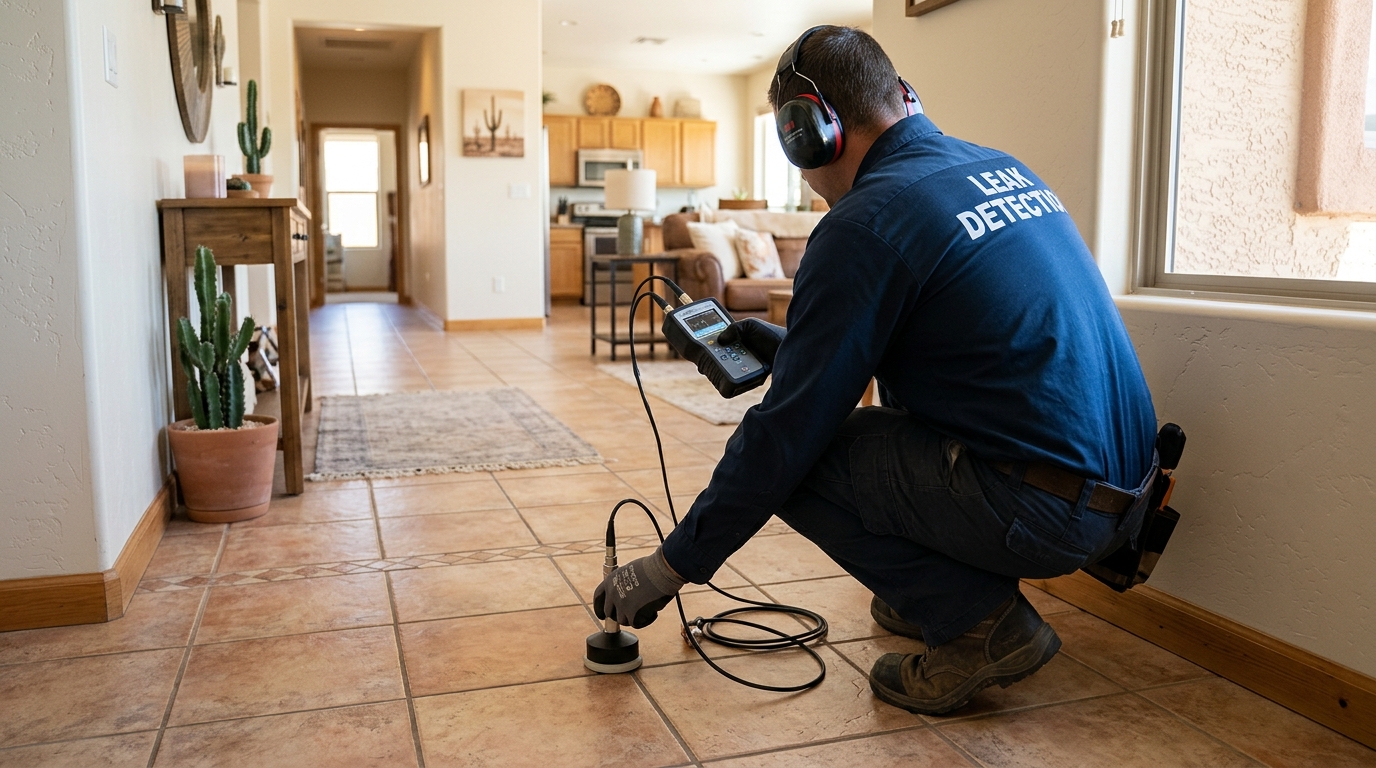
Navigating Homeowners Insurance and Foundation Leaks
Filing a slab leak insurance claim Redlands homeowners discover can be a confusing and stressful process. Foundation plumbing failures involve multiple distinct physical categories: the plumbing pipe itself, the concrete tear-out required to access the pipe, and the resulting moisture damage inflicted on floors, cabinets, and drywall.
Please note: The information provided on this page constitutes general educational guidance based on standard plumbing industry practices and does not represent legal, insurance, or adjusting advice. Insurance policies vary widely; you should always carefully review your specific policy declarations and speak directly with your licensed insurance provider or claims adjuster. While planning your overall slab leak repair in Redlands, obtaining proper technical documentation from day one is the single most important step you can take.
How Insurance Policies Typically Categorize Costs
When homeowners ask, "does homeowners insurance cover slab leaks Redlands carriers underwrite?", the answer usually depends on three distinct policy buckets:
Access and Tear-Out Coverage
Most standard homeowners policies (HO-3 or HO-5) include coverage for the cost of tearing out and replacing portions of the building structure (such as jackhammering slab concrete or cutting drywall) necessary to access and repair a leaking water pipe.
The Pipe Repair or Reroute Itself
The actual mechanical repair of the plumbing line (e.g., the copper fitting, PEX bypass line, or soldering) is frequently considered standard maintenance by insurers and is often excluded or subject to small sub-limits.
Resulting Water and Moisture Damage
Sudden and accidental water damage resulting from the slab leak—such as ruined hardwood flooring, wet carpet, ruined cabinetry, and microbial drying—is commonly covered under the water damage provisions of your policy.
Essential Documentation We Provide for Adjusters
Insurance claims examiners require verifiable third-party technical data before approving claims. Following our precision slab leak detection, we supply homeowners with a thorough documentation packet:
- Official Written Diagnostic Report: Stating the precise date of inspection, static water pressure readings before and after isolation, and exact physical coordinates of the pipe failure.
- Thermal Imaging Evidence: High-resolution thermographic images displaying heat blooms from hot water line breaks underneath concrete surfaces.
- Quantitative Moisture Readings: Percentage moisture content documented across flooring, subflooring, baseboards, and drywall surrounding the leak.
- Clear Photographic Records: Date-stamped photographs showing water meter movement, affected living areas, and exact floor marking indicators.
- Itemized Technical Scope: Clear separation between access costs, piping repair or slab leak reroute, and structural restoration to assist adjusters in allocating policy benefits.
Critical Steps to Take Right Away
If you suspect an active foundation leak and anticipate filing an insurance claim, follow these essential steps immediately:
- Mitigate Further Damage: Shut off the main water valve. Insurance contracts require homeowners to take reasonable steps to prevent ongoing water damage.
- Notify Your Carrier Promptly: Contact your insurance agent or carrier claims department to open a claim number and record the initial incident report.
- Do Not Throw Away Damaged Materials: Preserve sections of damaged baseboards, cut flooring, or removed copper pipe fittings so the field adjuster can physically inspect them.
- Avoid Premature Permanent Repairs: Unless required to stop catastrophic flooding, obtain clear electronic leak documentation before jackhammering or gutting floors.
Frequently Asked Questions About Slab Leak Claims
Why do insurance companies require a written leak report?
Insurers need independent technical proof that water damage originated from an active pressurized supply line rather than groundwater seepage, surface flooding, or gradual plumbing neglect, which are often subject to different coverage terms.
Will insurance pay for an overhead reroute instead of breaking concrete?
In many instances, insurance adjusters recognize that an overhead PEX reroute is more cost-effective than paying for concrete jackhammering, high-end tile replacement, dust containment, and extensive living displacement.